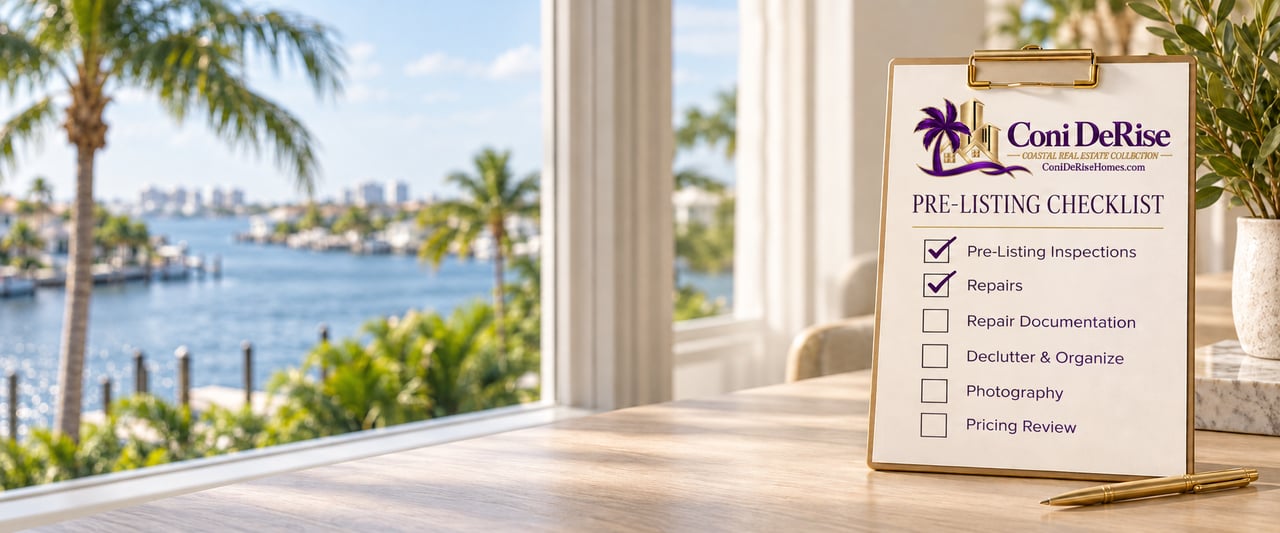
A buyer walks through your home and sees fresh paint, inviting rooms and a well-kept yard. Those first impressions matter. But once an offer is accepted, the questions often shift.
What condition is the roof in? Are there electrical or plumbing concerns? Will the home meet the buyer’s insurance requirements? Is there evidence of termites or wood damage?
As a seller, you can consider investigating those questions before your home enters the market.
Pre-listing inspections give you an opportunity to understand potential concerns, evaluate repairs and provide documentation from the beginning. That preparation can become a strong selling tool.
Across Seminole, Belleair and the Gulf Beaches, factors such as property condition, updates, flood zone and neighborhood competition can all affect how a home is positioned before it reaches the market.
Give yourself time to make informed decisions
Discovering an issue after accepting an offer can put everyone under pressure. There may be inspection deadlines, contractor scheduling challenges and a closing date to consider.
Learning about the same concern before listing gives you more room to respond thoughtfully.
You can obtain professional evaluations, compare estimates and decide how to address the findings. You also have time to gather permits, invoices and other records that explain previous improvements.
The goal is to understand your home’s condition well enough to make informed decisions about preparation, pricing and presentation.
Choose inspections that fit your property
The appropriate inspections depend on your home, its history and the questions that need answers.
A general home inspection provides a broader assessment of visible, accessible systems and components. A four-point inspection focuses on the roof, electrical, plumbing, and heating and cooling systems for insurance underwriting. A wind mitigation inspection documents wind-resistant features that may qualify for insurance credits. A wood-destroying organism inspection looks for visible evidence of termites and other organisms that damage wood.
These reports serve different purposes; one does not automatically replace another. Florida’s Department of Financial Services explains the distinctions in its homeowners insurance inspection guidance, while the state’s WDO report explains the scope and limitations of that inspection.
Before ordering every available service, let’s discuss which evaluations would be useful for your home.
Prioritize concerns that could affect insurance
A home can look attractive and still have a condition that raises questions for an insurer.
For example, a hypothetical four-point report might identify an active plumbing leak or an electrical hazard. A qualified professional can evaluate the finding, while an insurance agent can help clarify the insurer’s requirements.
Addressing an issue early may be more practical than trying to resolve it during a pending transaction. Florida’s four-point inspection guidance notes that repairs may be necessary before an insurer issues coverage. Read the state’s four-point guide.
A credit toward future repairs may not solve a requirement that work be completed before coverage begins. Understanding the timing matters as much as understanding the cost.
Show buyers what you have addressed
An inspection report tells part of the story. Documentation of completed work helps explain what happened next.
When appropriate, make the reports and supporting records available when your home is first listed. These might include:
- Contractor invoices identifying the completed repairs.
- Applicable permits and completion records.
- Updated inspection reports reflecting the work.
- Equipment replacement information and warranties.
- Pest-treatment records and documentation of related repairs.
Present the original findings alongside the completed work so buyers can understand both.
That transparency can provide greater peace of mind. It shows that you have taken a proactive approach to preparing your home for its next owner.
Build confidence without promising perfection
Pre-listing inspections do not guarantee a problem-free home or eliminate the buyer’s right to investigate.
Buyers may still order their own inspections. Their lender or insurer may require different documentation or more recent reports. A previous inspection also cannot reveal every concealed condition.
What preparation can offer is a clearer starting point: what was evaluated, what was found and how you responded.
It is also important to review findings with your real estate professional and address applicable disclosure responsibilities.
Make preparation part of your selling strategy
Before investing in cosmetic updates, consider whether understanding your home’s major systems would be a better first step.
Fresh paint helps a home present well. Clear information about its condition helps buyers evaluate what they are purchasing.
Let’s discuss whether pre-listing inspections make sense for your home. I can help you organize the preparation process, connect with appropriate professionals and present completed improvements clearly.
You do not need to be ready to list. Starting early gives you time to make thoughtful decisions—and bring your home to market with a stronger foundation for buyer confidence.
Coni DeRise, REALTOR® | GRI®, RSPS®, PSA®, ABR®, SRES®
727-729-1423
[email protected]
ConiDeRiseHomes.com
WORKING FOR YOU… BEFORE, DURING & AFTER THE SALE